Why Teeth Still Look Yellow After Brushing
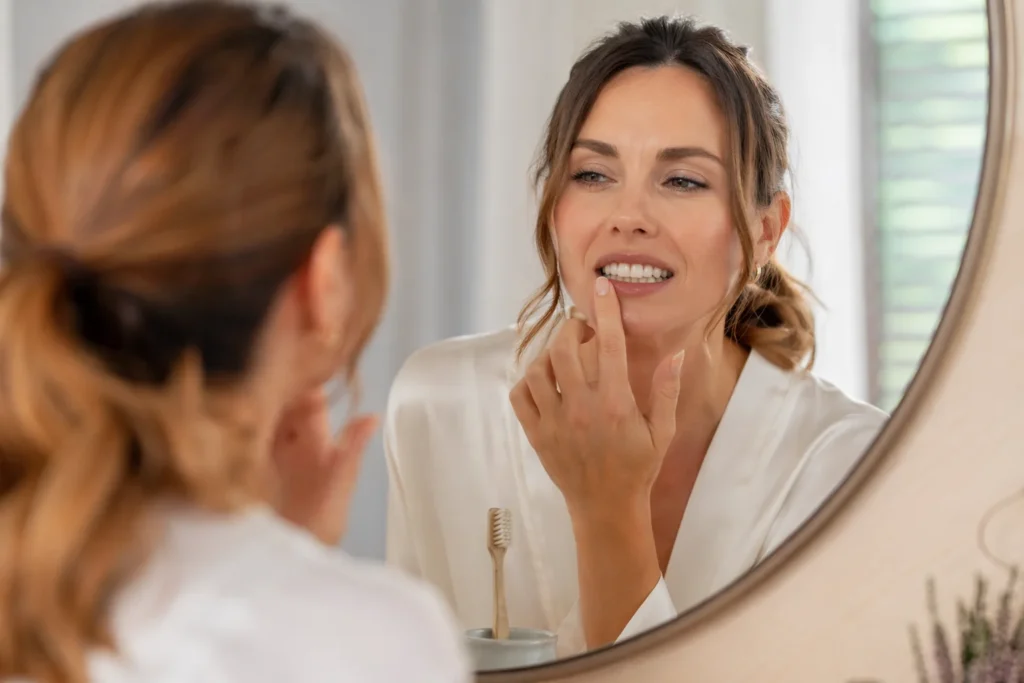
You brush your teeth every day, yet when you look in the mirror, they still do not look as white as you expected. They may not be truly yellow, and they may not be at a level that makes you feel embarrassed, but they still seem to carry that slightly dull, grayish, tired-looking cast. You are clearly doing something, yet you still are not seeing the cleaner, brighter result you hoped for. That gap is often the most frustrating part.
A lot of people only fully notice this problem when they start caring more about overall appearance. You begin to see in photos that your teeth do not look bright enough. In close conversation, your smile seems to lack a bit of freshness. Even after your hair, outfit, and overall look are put together, your teeth still do not seem to hold up the polished image you want. At that point, what you usually need is not to “brush more seriously one more time,” but to understand why brushing has not brought the look of your teeth up with it.
This is also where many people misread the situation. You assume that because you are already brushing, your teeth should naturally start looking whiter. But real life usually does not work that way. Brushing can bring your teeth back to a more basic, cleaner state, but “basically clean” and “looking whiter” are not the same thing. What bothers you now is usually not hygiene. It is appearance. In other words, it is not that you are doing the brushing step wrong. It is that the result you want has already moved one layer beyond simply “clean.”
Brushing Can Make Teeth Cleaner, but It Does Not Automatically Make Them Look Whiter
This is one of the easiest things to overlook. The primary job of brushing is to bring teeth back to a basic clean state, not to automatically move them into a “whiter, brighter, better-looking” state. Institutions like Mayo Clinic continue to emphasize that basic brushing still matters, ideally at least twice a day for about two minutes each time, and more complete oral care guidance also reminds people to clean between their teeth daily. The foundation matters, but the foundation alone does not guarantee a visible upgrade in appearance.
That means the gap you see now does not necessarily mean brushing is useless. More often, it means you have entered a new stage: what you want is no longer simply “my teeth should not look dirty,” but “can my teeth look a little whiter, cleaner, and more refreshed?” Once the goal changes, the old routine that was only enough to maintain a baseline will naturally start to feel insufficient.
A lot of people mentally blur together “cleaning” and “whitening,” as if brushing carefully enough should naturally make teeth look whiter over time. But in reality, brushing is a cleaning action. Changes in appearance involve surface condition, staining habits, product direction, and maintenance. So if you feel stuck, it may not be because you are not brushing carefully enough. It may be because you have been doing something correct, but not targeted enough for the result you want.
Many “Still Yellow After Brushing” Problems Are Not About Poor Effort. They Happen Because the Surface Has Never Really Been Addressed Properly
If you regularly drink coffee or tea, or your diet includes a lot of dark beverages and darker foods, the tooth surface can gradually build up that light but stubborn staining layer. Public health guidance like NHS materials also lists coffee, tea, red wine, and smoking among common stain sources. That is why many people can brush every day and still feel like their teeth keep a slight yellow, gray, or dull cast.
That is the problem: this kind of staining usually is not severe enough to make you feel that your teeth are “bad,” but it is visible enough to make you feel that brushing still has not made them look white. So you end up stuck in a very familiar place: your teeth are not dirty, but they do not look fresh enough; they are not especially yellow, but they do not look bright enough; your smile is not unattractive, but it still feels one step away from the look you really want.
That is also why so many people become more and more frustrated. This is not some dramatic, obvious problem. It is a small gap that keeps showing up again and again. You do the basic care every day, yet you never get the “whiter” feedback you expected. After enough time, you may even start wondering whether your teeth are simply never going to look any better. But very often, the real problem is not that your teeth are hopeless. It is that you have been expecting a brightening or stain-removal result from a routine that has stayed at the level of basic cleaning.
Another Common Situation Is That You Have Been Doing “Ordinary Cleaning,” but Not “Targeted Brightening”
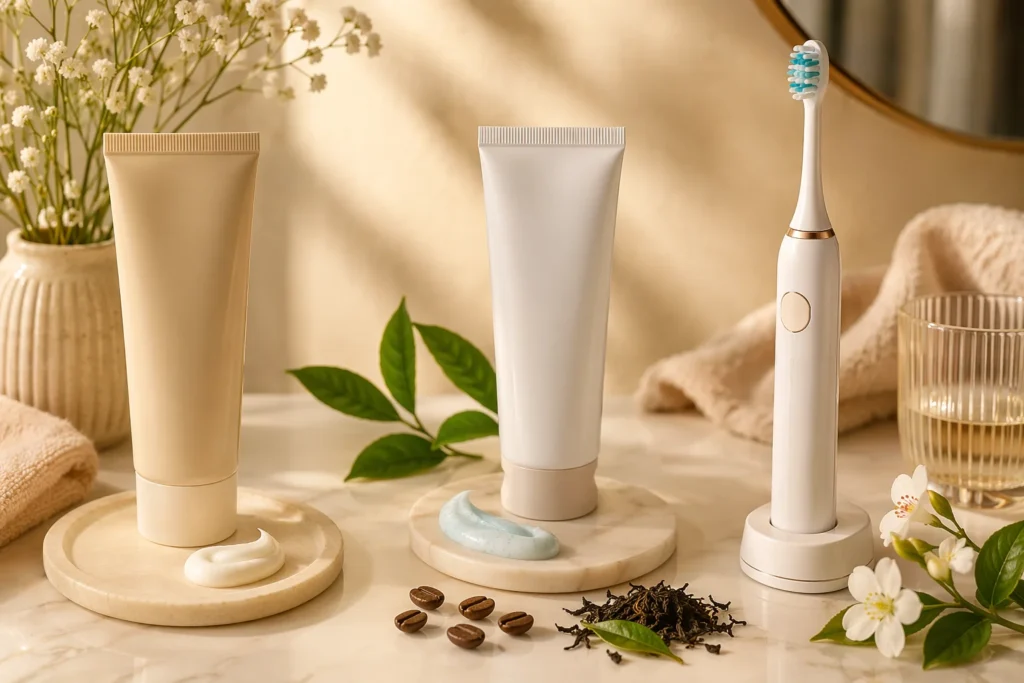
A lot of people still think about toothpaste and brushing in very simple terms: if it cleans, it is enough. But in reality, different products do different jobs. The ADA has long separated whitening products from stain-removal products for a reason: some directions are more about basic cleaning, some are more about surface stain removal, and some are designed for more noticeable brightening support. That means if you keep using ordinary cleaning products while expecting your teeth to move toward a whiter, brighter look, you are very likely to end up feeling that familiar disappointment: “I am brushing, so why do they still not look white?”
If you have been brushing with ordinary cleaning products the whole time, you may absolutely still be maintaining basic oral hygiene. But that does not mean you have also been doing anything that actually helps your teeth look whiter. What many people are really missing is not the act of brushing itself, but a product direction that fits the stage they are in now. So when you think, “I am already brushing, so why do they still look yellow?” the answer is often not that you have done nothing. It is that what you have been doing has not been the most suitable next step.
That is also one of the biggest differences between a support page like this and the complete whitening solution page. The complete solution page shows you the whole path. This page is only trying to help you isolate one very specific problem: why your teeth still do not look white enough after brushing. The answer is usually not “jump straight to the strongest whitening option.” It is to first work out exactly which step is missing between where you are now and the result you really want. Once that judgment becomes clearer, the next choice usually becomes much easier.
What Many People Are Really Stuck On Is Not “My Teeth Are Too Yellow,” but “They Still Do Not Look Properly Cleaned Up”
This is actually very important. Because some people see that their teeth do not look white enough and immediately assume they should move straight to stronger whitening products, or that their natural tooth color must simply be too dark. But for many people, what is really dragging down appearance is not “not enough whiteness.” It is “the surface still does not look properly cleaned up.” In other words, what you may be missing is not bleaching power, but a cleaner, more refined-looking finish.
You can think of this state like this: your teeth are not terrible, but they are not crisp-looking. The color has not really lifted, the surface does not have that cleaner-looking brightness, and your smile ends up looking slightly dim, old, or dull. At that stage, if you jump straight toward the strongest whitening products, you often skip the step that should have come first: getting surface stain and cleaning efficiency into better shape.
In other words, many “why do they still look yellow after brushing?” problems are not really about “I am still not white enough.” They are about “I still do not look clean enough first.” Those two problems are very close, but they are not handled in the same way. The first one tempts you to chase stronger whitening too early. The second one pushes you to improve stain removal, brightening, and cleaning efficiency first. For most people who are newly stuck in this problem, the second way of looking at it is usually the better one.
If What Bothers You Most Is “They Still Lack Brightness After Brushing,” Then You Need to First Identify Which Pattern You Actually Fit
If your main feeling right now is that after brushing your teeth do not look dirty, but the surface still feels a little dull, old, or grayish, then it makes more sense to start by looking at a surface-stain brightening direction. At this stage, the most important thing is not to rush toward the strongest whitening option. It is to remove that “they still do not look properly clean” feeling first.
If you’re more concerned with whether your teeth look neater, cleaner, and whiter after each brushing, then alternating cleaning directions is usually the better choice. This approach is generally more suitable for those who want to improve both overall cleaning effectiveness and visual cleanliness.
If you’re tired of worrying about the specific features of electric toothbrushes, this practical all-in-one model is the perfect choice for you. It’s ideal for those who don’t want to fuss over single functions like whitening, polishing, or daily cleaning—one toothbrush meets all your oral care needs.
You Do Not Need to Jump Straight to “Strong Whitening,” but You Do Need to Get Out of the Gap Between “Clean Enough” and “Actually Looking Whiter”
Many people assume that if their teeth are not severely yellow yet, they do not need to do anything extra. But what usually drags down appearance is not a dramatic problem. It is this kind of small but persistent gap. You brush every day, yet your teeth still do not have the brightness you want. You are caring for them, yet your smile still lacks some refinement. If that gap keeps being ignored, your teeth can stay stuck in that frustrating zone of “basically okay, but not actually attractive enough.”
More importantly, this kind of gap is easy to get used to. You may tell yourself, “It is not that serious, I will leave it for now.” But once you start caring about your smile, your photos, and the way your overall appearance comes together, that small problem becomes more and more visible. It does not annoy you because it is dramatic. It annoys you because it never fully goes away. And that is exactly what this support page is trying to help with: not forcing you into one huge decision, but helping you find the next adjustment that matters most.
And this is also where the support page differs most clearly from the complete whitening solution page. The complete solution is about the whole upgrade path. This page is only about one point: why your teeth still do not look white enough after brushing. So what you need most right now is not to review every product at once. It is to get this one point clear first. Once this layer is handled correctly, everything that comes after it—more brightening, better maintenance, or a fuller whitening path—becomes much smoother.
Once You Start Brushing in a Way That Fits Your Current Stage Better, the Look of Your Teeth Can Finally Start Moving
That is exactly why so many people go off track in the beginning. You think what you are missing is “more effort,” but often what you are actually missing is “better direction.” If your teeth still look yellow after brushing, do not immediately turn that into “I am not trying hard enough.” A much better question is: is the real issue that my brightness base is not strong enough, that surface staining is too heavy, or that the cleaning method itself is not doing enough to lift the look of the tooth surface?
Once you see that clearly, the next step becomes much easier. You are no longer randomly choosing products from a long list. You are choosing a starting point that fits your current stage. A lot of the time, what finally changes tooth appearance is not one dramatic move. It is simply that you have stopped doing “ordinary brushing only.”
If You Want to See This More Completely, the Best Next Step Is the Complete Whitening Solution
“Still yellow after brushing” is only one branch inside the broader path of improving the look of your teeth. It is common, and it is worth explaining clearly on its own, but it is not the whole path. If this article has already helped you realize that the issue is not brushing alone, but that your whole whitening path still has not really been built, then the best next step is not to stay trapped inside this one point. It is to look at the complete whitening solution, where the layers of basic brightening, surface stain removal, visible whitening, and long-term maintenance are all laid out clearly.
If what you need most right now is not one single product, but a clear view of the whole road ahead, then the best next thing to read is:
If you can already feel that the issue is not that you are doing nothing, but that one specific part of the process keeps failing to connect, then the related articles below will usually be the better next click. They break down the most common sticking points one by one, so you do not have to keep guessing what should change next. You can start with the one that feels most like your current situation, and that usually gets you to a useful next step faster than more general whitening advice.
Affiliate Disclosure:
Some of the links on this page may be affiliate links, which means we may earn a small commission if you make a purchase through them, at no extra cost to you. We only recommend products that are relevant to the topic and that we believe may be genuinely useful to readers.
References and source directions:
American Dental Association (ADA): whitening categories, stain-removal toothpaste direction
NHS: staining sources such as coffee, tea, red wine, smoking; whitening is not permanent
Mayo Clinic: twice-daily brushing, two-minute brushing, daily cleaning between teeth